Disposal and environment

Protect the environment
Recycling, living sustainably and conserving resources? As an IT dealer, we also attach great importance to this. It is particularly important when buying, using and especially disposing of IT-Hardware. Even when you buy a refurbished device, you are helping to protect the environment. But it is not only our IT-Remarketing that is important - there is also a lot to consider when disposing of electrical (old) equipment in an environmentally friendly way. In addition, there is still the possibility to hand in old devices professionally. But where can I hand them in and where do I dispose of electrical appliances and used batteries? We provide you with tips and information on this topic.

Information on electrical and electronic (waste) equipment
The following information is intended for private households that use electrical and/or electronic equipment. Please follow these important instructions in the interest of an environmentally sound disposal of old appliances as well as your own safety.
1. Information on the disposal of electrical (old) appliances and on the meaning of the symbol according to Annex 3 to the ElektroG:
Owners of old appliances must dispose of them separately from unsorted municipal waste. WEEE may therefore not be disposed of as unsorted municipal waste and in particular does not belong in household waste. Instead, these WEEE must be collected separately and disposed of, for example, via the local collection and return systems.
Owners of WEEE must also separate used batteries and accumulators that are not enclosed in the WEEE from the WEEE before handing them in at a collection point. The latter does not apply if the WEEE is separated from other WEEE in accordance with Article 14(5), sentences 2 and 3 of the ElektroG within the framework of opting out by public waste management authorities for the purpose of preparing it for reuse.
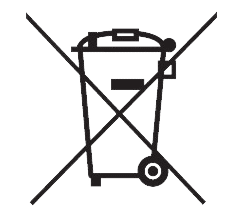
By means of the symbol according to Annex 3 to the ElektroG, owners can identify WEEE that is to be collected separately from unsorted municipal waste at the end of its life. The symbol for the separate collection of electrical and electronic equipment represents a crossed-out wheeled bin and is designed as follows:
2. Information on the possibility of returning old appliances:
(Please be sure to inform here first about the return options for old electrical appliances that you have created, cf. above).
Owners of old appliances from private households can also return the old appliances to the collection points of the public waste management authorities or to the collection points set up by manufacturers or distributors in accordance with the El ectroG. An online list of collection and return points is available. An online list of collection and take-back points can be found here: https://www.ear-system.de/ear-verzeichnis/sammel-und-ruecknahmestellen.jsf.

3. Note on data protection
Some of the old appliances to be disposed of contain sensitive personal data (e.g. on a PC or smartphone) which must not fall into the hands of third parties.
We expressly point out that end users of old devices must take responsibility for deleting personal data from the old devices to be disposed of.
Note on the disposal of used batteries
The following information is intended for those who use batteries or products with built-in batteries and no longer resell them in the form in which they were delivered to them (end users):
1. Free take-back of used batteries
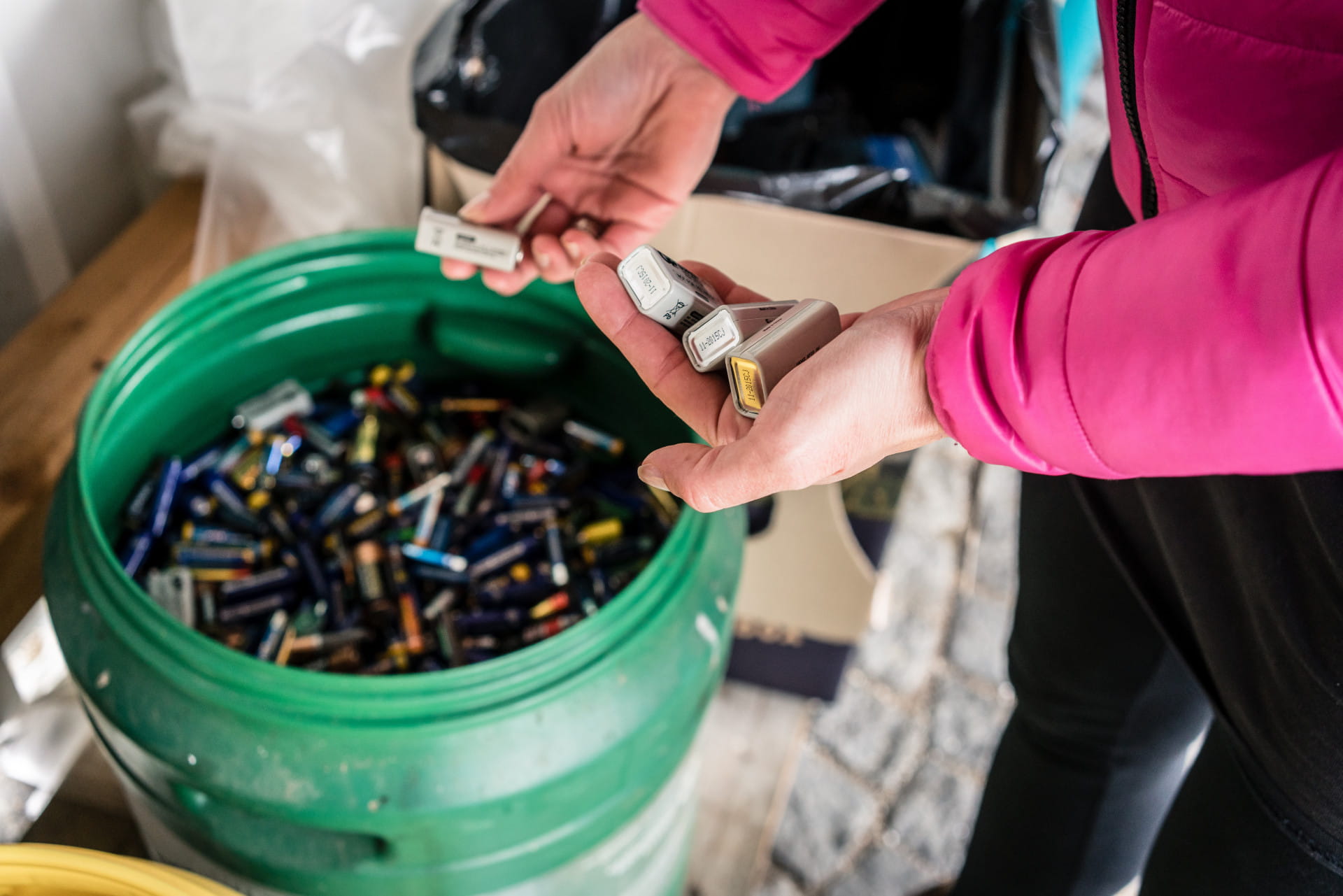
Batteries must not be disposed of with household waste. You are legally obliged to return used batteries so that proper disposal can be ensured. You can return used batteries to a municipal collection point or to your local retailer. As a distributor of batteries, we are also obliged to take back used batteries, although our take-back obligation is limited to used batteries of the type that we carry or have carried in our range as new batteries. You can therefore either return used batteries of the aforementioned type to us with sufficient postage or hand them in free of charge directly to our dispatch warehouse at the address given in the imprint.
2. Meaning of the battery symbols
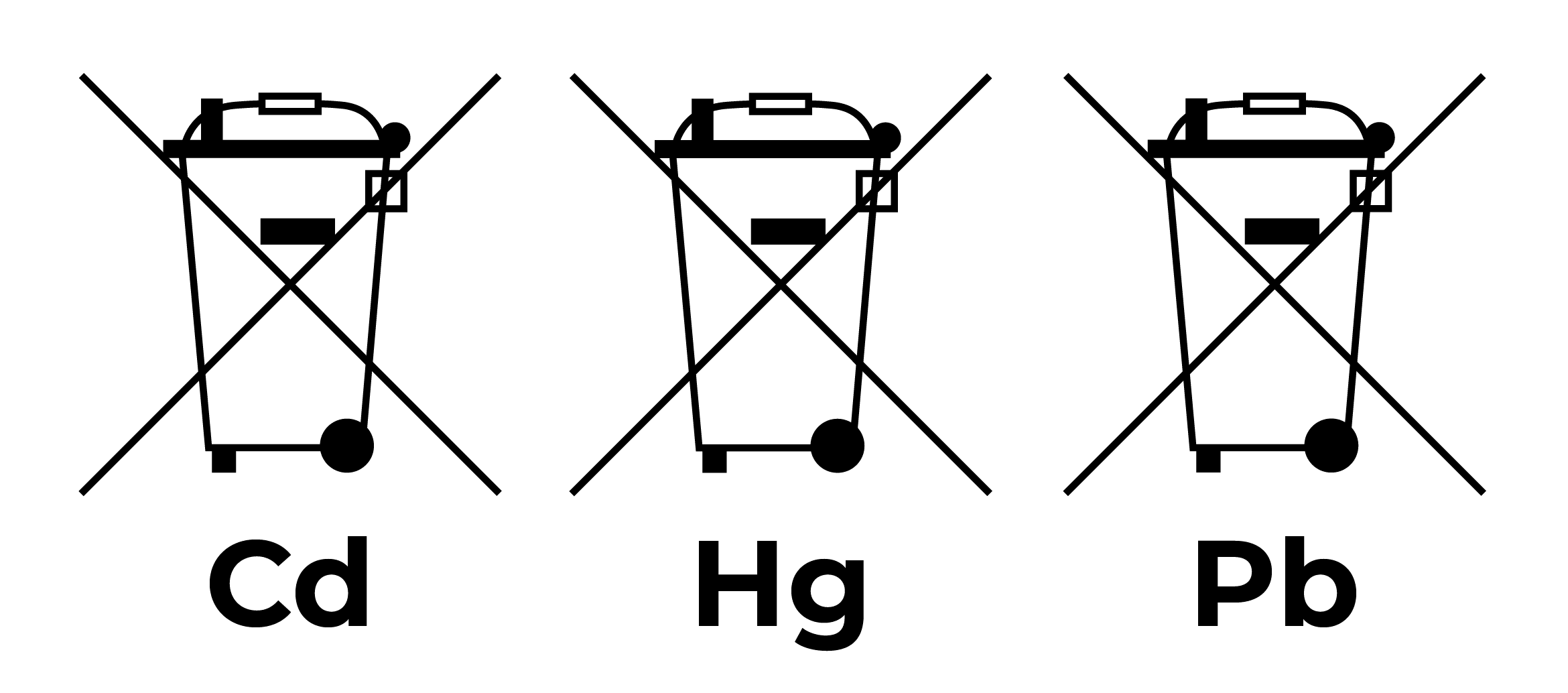
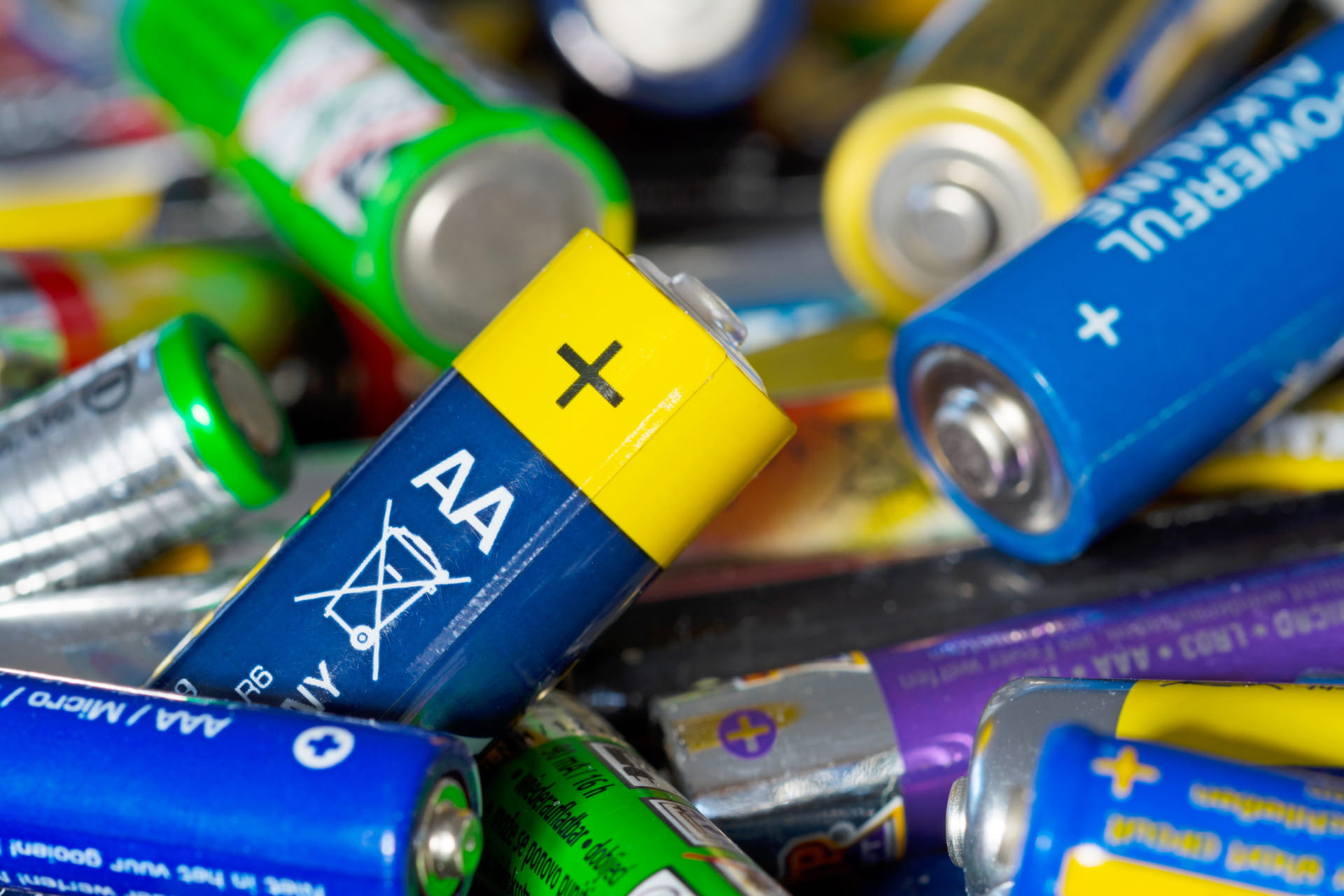
Batteries are marked with the symbol of a crossed-out waste bin (see below). This symbol indicates that batteries must not be disposed of with household waste. For batteries containing more than 0.0005% mercury by mass, more than 0.002% cadmium by mass or more than 0.004% lead by mass, the chemical name of the respective pollutant is shown below the dustbin symbol - "Cd" stands for cadmium, "Pb" for lead and "Hg" for mercury.